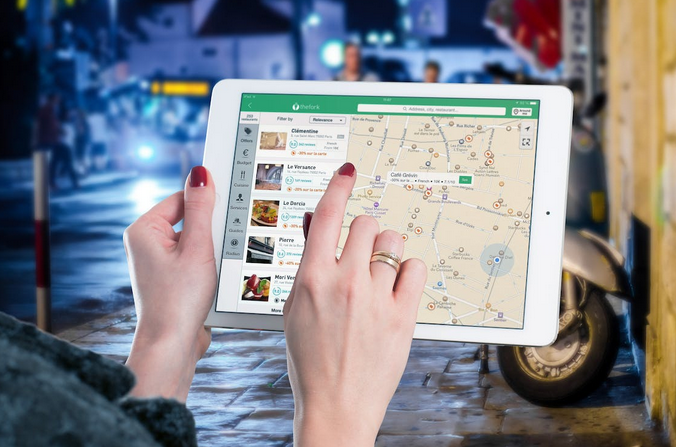


Ranking locally in a small town is challenging. Ranking in a major city is far more complex. Urban markets are dense with competitors. Multiple businesses target the same neighborhoods and keywords. Search results shift constantly. Customers expect fast answers and immediate credibility. In this environment, local SEO requires a sharper strategy and consistent execution, often guided by an experienced Perth local SEO consultant who understands the competitive landscape. Businesses cannot rely on basic optimization alone. They must differentiate, refine targeting, and build strong authority signals to compete effectively. Understanding how to approach local SEO in highly competitive urban markets helps businesses secure visibility where it matters most.
Understanding Urban Search Intent

Urban consumers search differently. They often include neighborhood names, landmarks, or phrases like “near me.” Search intent is highly specific. Businesses must analyze localized keyword variations. Broad city-level targeting is not enough. Neighborhood-level optimization increases relevance. Search intent also changes by urgency. Some users seek immediate services. Others compare options carefully. Content should reflect both needs. Matching intent precisely increases conversion rates and strengthens rankings.
Optimizing Google Business Profiles
In competitive cities, Google Business Profile optimization becomes critical. Profiles must be complete and accurate. Business categories should reflect core services clearly. Descriptions should include localized terms naturally. High-quality images improve engagement. Regular updates signal activity. Posting offers, answering questions, and responding to reviews demonstrates responsiveness. Consistency across name, address, and phone number ensures credibility. Even small inconsistencies can weaken trust signals in crowded markets.
Earning High-Quality Local Backlinks
Backlinks remain a strong ranking factor. In urban markets, local authority links are essential. Partnerships with community organizations, local blogs, and business directories increase credibility. Sponsoring local events can also generate coverage. Quality matters more than volume. A few relevant city-based links often outperform dozens of generic listings. Local backlinks signal geographic relevance, which strengthens competitive positioning.
Building Location-Specific Landing Pages

Urban businesses often serve multiple neighborhoods. Creating dedicated landing pages for each service area improves relevance. Each page should include neighborhood references, local testimonials, and clear service descriptions. Content must feel natural and specific. Avoid duplicating content across pages. Search engines detect repetition quickly. Instead, highlight differences in service demand or customer needs. Well-structured local pages help search engines associate businesses with precise geographic areas.
Managing Reviews Strategically
Reviews influence both rankings and consumer decisions. Urban customers compare ratings carefully before choosing a provider. Encouraging satisfied clients to leave feedback improves visibility. Responding professionally to negative reviews builds trust. Consistency is important. A steady flow of authentic reviews appears more natural than sudden spikes. Search engines interpret review activity as a sign of business legitimacy. Managing this channel carefully supports long-term growth.
Leveraging Hyperlocal Content Marketing
Generic content struggles in dense markets. Hyperlocal content stands out. Writing about community events, local trends, or area-specific challenges creates stronger connections. This content attracts neighborhood-level searches. For example, a fitness studio might discuss training tips tailored to busy city professionals. A restaurant could feature seasonal ingredients sourced locally. Hyperlocal content demonstrates relevance and authority. It builds stronger engagement within specific districts.
Prioritizing Mobile Optimization

Urban searches frequently occur on mobile devices. Users look for immediate solutions while commuting or walking. Websites must load quickly. Navigation should be simple. Contact information should be accessible without scrolling extensively. Mobile performance affects rankings directly. Slow sites lose both visibility and potential customers. Optimizing speed and usability ensures better user experience and improved search performance.
Tracking Local SEO Performance Accurately
Data drives improvement. Businesses should monitor keyword rankings by neighborhood, not only by city. Tracking calls, form submissions, and direction requests reveals conversion patterns. These metrics help evaluate campaign effectiveness. Analyzing competitor activity provides insight into shifting trends. If competitors gain visibility in certain areas, adjustments may be required. Regular reporting ensures informed decision-making and prevents stagnation.
Local SEO in highly competitive urban markets demands precision. Businesses must understand detailed search intent and optimize for specific neighborhoods. Google Business Profile management, location-focused landing pages, and strong local backlinks strengthen authority signals. Strategic review management builds trust. Hyperlocal content increases engagement. Mobile optimization supports real-time search behavior. Continuous tracking enables improvement. Urban competition will not decrease. However, structured strategies create opportunity. Companies that invest in detailed local optimization gain stronger visibility and consistent lead flow. Success depends on clarity and discipline. Businesses must refine targeting continuously and adapt to changing search behavior. With focused execution, even crowded markets offer room for growth.